A Year Is Just a Number: As 2025 Comes to an End
As the year winds down, I
feel immensely thankful for what I've learned. A year is nothing but a
calculation. In itself, it makes no difference. Days move on, waiting for what
we need or do not need to do. All the same, meaning-making is a process of engaging
with time productively. I stopped making resolutions for important occasions
because I find it disheartening to know that I failed miserably at keeping
them. On entering 2025, I had no particular resolution, save that to complete
my PhD at the earliest. As I am an expert at failing to keep resolutions, this
year too, on hindsight, my resolution to complete most of my research work
remains incomplete! There is a happy side to it. I began reading, besides works
related to my research and some magazine stuff, books that I picked up by
chance or on recommendation. If you are still reading this scribbling, it is
not a recommendation list on book-reading! I found them
engaging, transforming, challenging, and, at times, sad-making. Here is the
list – of course, there are a few books that I read in Tamil that I intend to
write in Tamil:
1. Why Do you Fear my way so much? by Professor G. N. Saibaba

“Foul language defines
the sacred games of democracy.”
“The monks howl and prowl
shitting along the holy riverbanks
preaching cleansing of democracy.”
“The naked emperor
wears nuclear clothes dazzling cyber arms.”
“I still stubbornly refuse to die. The sad thing is that they don’t know how to kill me.”
Fascism breeds on ignorance and injustice. Hope reading such books does not attract sedition hereafter! Must say, Professor Saibaba made a lasting impact on me.
2. To Kill a Democracy: India’s Passage to Despotism by Debasish Roy Chowdhury and John Keane

3. White Nights by Fyodor Dostoyevsky
Having read back-to-back serious stuff, I wished to read something rather soothing. Dostoyevsky needs no introduction. I’ve read his novels “Crime and Punishment” and “Brothers Karamazov.” When I bought “White Nights,” I didn’t plan to complete it in a day, yet the story so compelled me to read it in a day. Nastenka and the nameless hero took me on a tour of happy imagination. Loneliness can be devastating, and the cure is to find someone who is loving and deeply caring. “I don’t know how to be silent when my heart is speaking.” What a fantastic read it was!
4. Of Love and Other Demons by Gabriel Garcia Marquez

Some years ago, I started reading this novella, but put it down because of what I found objectionable. Looking back, I laugh at how naïve I was! Perhaps we mature as we age – be careful, there is no guarantee we do! After reading the story, I felt sorry for Sierva Maria, and I wrote on the last page that I would one day rewrite this story ending on a happy note! “No medicine cures what happiness cannot.” Pity those children who are born in unhappy families! Maria’s story is such one! There is no dearth of material prosperity, yet her own mother, recoiling in physical pain and mental agony, hates her. The Marquis family has everything except love. When superstition throws Maria into the convent dungeon, she discovers love, while a loveless priest discovers his passion. Torn between his call to be a priest and his heart pounding with love, Cayetano and Maria are briefly united only to be separated forever.
5. Hope: The Autobiography by Pope Francis

The first-ever memoir by a reigning pope, Hope reveals the humane side of Pope Francis. In a world where religious men and women whip up hatred to climb the ladder of power and prestige, here is Pope Francis, who lays bare his life, holding back nothing. It is the story of a man who does not disown his roots, does not shy away from admitting his faults, and does not shy away from speaking truth to power. Pope Francis despises war, stands in solidarity with the migrants, victims of injustice and violence. He is no religious bigot, that's all that I can say! Bigotry is no religion is the conviction of Pope Francis. Reading the autobiography of Pope Francis is uplifting and inspiring! “Don’t forget the poor” is the advice that he got from Cardinal Hummes when he was elected as the Pope. Pope Francis never forgot the advice till the end!
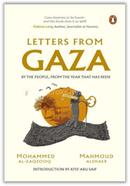
6. Letters from Gaza by the People, from the Year that has Been by Mohammed and Mahmoud
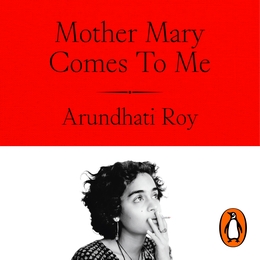
7. Mother Mary Comes to Me by Arundhati Roy
As I mentioned at the outset, this is not a list of reading recommendations. Perhaps I’m late to reading most of these. These works helped me pause a little, look around, savour life, be angry about the way things are, put myself in others' shoes, laugh, and silently shed tears for those far away. Thank you, 2025, for teaching me valuable lessons!


Comments